
DMDeepMindex

Measure the practice. Train attention. Track progress.

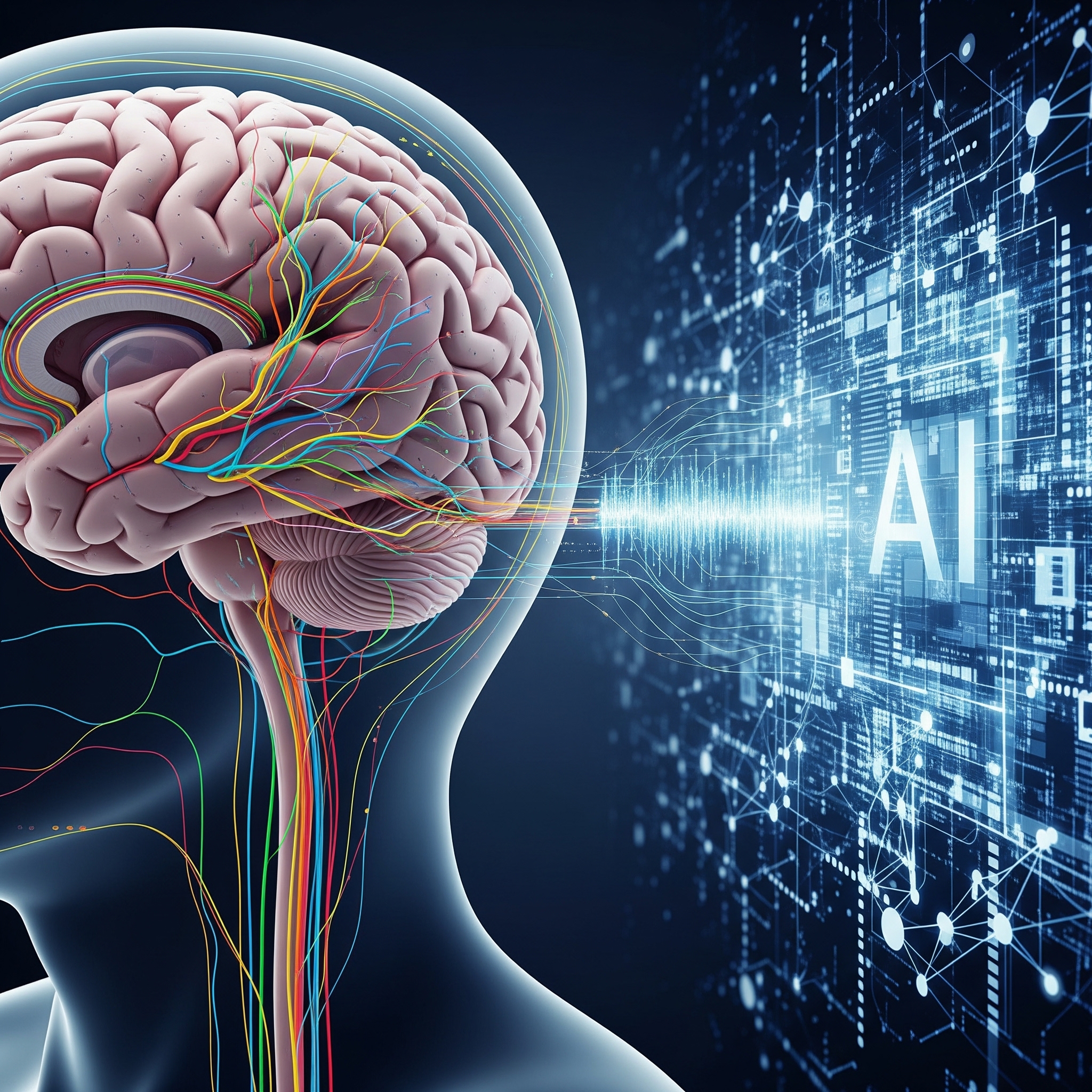
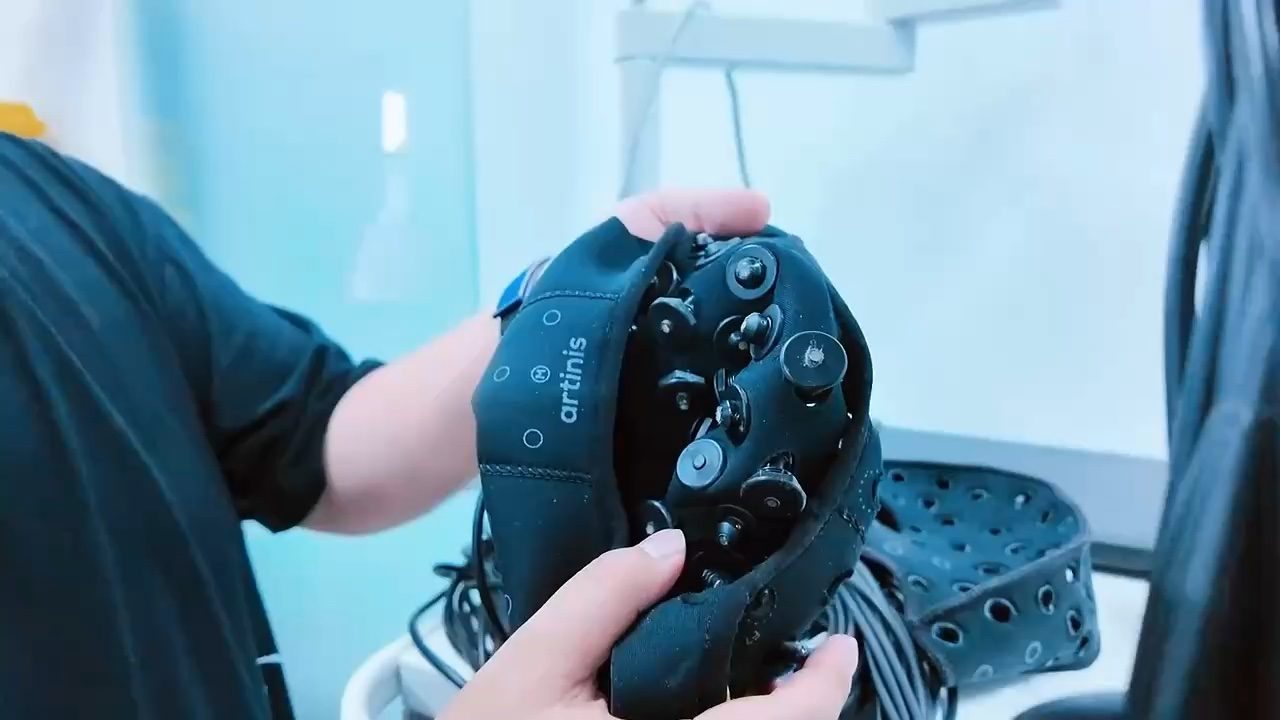
Wearable EEG, PPG and respiration, read alongside practice context, become an interpretable session profile — and a trend measured against each practitioner’s own baseline.

Why measurement

Meditation is taught at scale. The inner work is still invisible.

DeepMindex is a software platform, not a device. It reads the session, reports only what the signal supports, and leaves interpretation to the practitioner and their teacher.

Read our philosophy

Practitioners cannot tell whether attention is actually stabilising, whether the body is regulating, or whether recovery between sessions is improving. Instructors have no objective read on a cohort beyond attendance and self-report.

DeepMindex makes that measurable — interpretation first, and without turning practice into a leaderboard. Every reading is gated by signal quality, anchored to the practitioner’s own baseline, and reported with its uncertainty.

01

Attention

Wearable EEG shows how attention behaves across a session, rather than relying on how the session felt afterwards.

02

Physiological regulation

PPG-derived heart-rate and pulse-rate variability measures describe autonomic regulation in parallel with the neural record.

03

Recovery

Comparing sessions against an individual baseline shows whether regulation and recovery are trending, not just varying.

Introduction film

Measuring meditation, from the lab to the wrist.

A short introduction to DeepMindex, recorded for the Technology Start-up Support Scheme for Universities. It follows the work from meditation research at the University of Hong Kong to measurement at wearable scale.

  • 01

    Built on a decade of EEG research

    Dr. Junling Gao’s lab at the University of Hong Kong studies how meditation, mindfulness and chanting support emotion regulation, using high-density EEG alongside body signals.

  • 02

    Measured at wearable scale

    Nearly 1,000 wearable recordings pairing brainwave and pulse data give the models a statistical base no single session can provide.

  • 03

    Tested in deep and clinical states

    Recordings from advanced meditators, plus hospital collaborations that include ICU patients, widen the range of mental states the platform can learn from.

DeepMindex Technology for TSSSU · 3 min 48 secWatch on YouTube

One system

Measurement and feedback, in one loop.

A score without a next step leaves people unsure what to do. DeepMindex connects the assessment to practice, then tracks what changes.

  1. 01

    Assess

    See how attention and physiological regulation behave now, measured under the practitioner’s own protocol rather than at rest.

    Session profile
  2. 02

    Practise with feedback

    Personalised biofeedback responds to the session as it happens, so the practitioner can work with what the signal shows rather than guess afterwards.

    Biofeedback
  3. 03

    Track progress

    Later sessions are compared with the individual baseline, and the trend is reported with its uncertainty instead of a single false-precision figure.

    Progress trend

Two ways in

One platform, two ways to use it.

Through a meditation or mindfulness programme, or inside a research lab. The assessment engine is the same; the access is different.

Illustration of two overlapping heads, one showing a brain and the other a circuit map, with people watching.Programmes

For programmes

Cohort-level visibility for instructors and programme leads, without ranking individuals or turning practice into surveillance.

  • Instructor dashboard across a cohort
  • Session profile after each practice
  • Trends against individual baselines
Explore the platform
Illustration of an anatomical brain with nerve tracts running into a computational model.Research

For research

Raw-signal access and standardised protocols for labs validating the method against their own cohort.

  • Raw EEG, PPG and respiration export
  • Standardised protocol support
  • Independent validation
Discuss research access

The research base

Built on EEG and meditation research, not a blank slate.

DeepMindex builds on long-standing EEG and meditation research, and on data already collected.

  • Long-standing research in EEG and meditation underpins the method.
  • Accumulated EEG and PPG data, including three deep-jhana meditation recordings, guide candidate-feature development.
  • Reuse of existing recordings is subject to appropriate ownership, consent and data-use permissions.
  • Further data is collected using standardised protocols across experience levels.
  • Independent validation assesses reliability and generalisation.

What makes a reading trustworthy

  • 01

    Signal-quality assessment

    A reading that cannot be trusted is not reported. Quality gates every session before it is allowed to become a number.

  • 02

    Individual baselines

    Progress is measured against your own baseline, never against a population average or another practitioner.

  • 03

    Brain–body modelling

    Neural and autonomic streams are modelled together, because attention and physiological regulation move together.

  • 04

    Transparent uncertainty

    The platform shows how confident a reading is, instead of presenting a single figure with false precision.

Read the science

In the field

What programmes report

Feedback from the practitioners, instructors and researchers running DeepMindex with real cohorts.

All feedback
“Placeholder — replace with approved feedback from a programme lead running a pilot cohort.”
Programme lead · Institutional pilot
“Placeholder — replace with approved feedback from an instructor using the cohort dashboard.”
Instructor · Meditation programme
“Placeholder — replace with approved feedback from a researcher working with exported session data.”
Researcher · Research access

FAQ

Questions, answered

What a pilot involves, how measures are built, and how participant data is handled.

Full FAQ
Do participants need special hardware?

A pilot runs with wearable EEG and PPG sensors provided as part of the programme, with respiration added where the setup supports it. Nothing is implanted and no clinic visit is required.

How is progress actually measured?

Every session is anchored to the practitioner’s own baseline, established across their earlier sessions, rather than to a population average.

What does a session report contain?

An interpretable profile of attention, physiological regulation and recovery, with signal-quality notes and the uncertainty behind each reading stated openly.

How is participant data handled?

Physiological data is collected under the programme’s own consent process and used to report on that participant’s sessions. See the Privacy Policy for retention and sharing.

Institutional pilots

Run a pilot with your cohort.

Fixed-term programmes with a defined participant group, so you can evaluate attention, regulation and recovery against your own protocol.