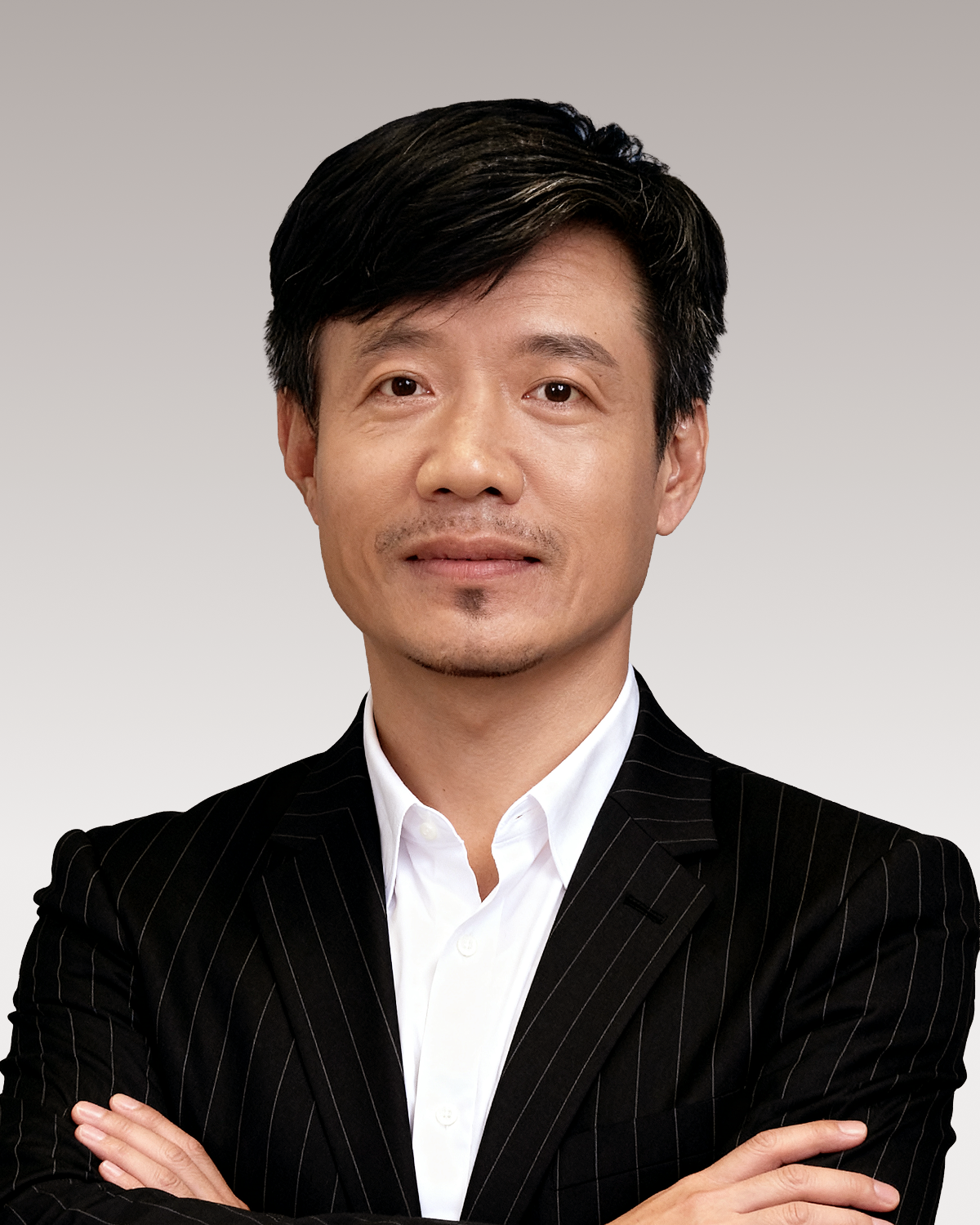
DeepMindex’s research foundation is the work of Dr. Junling Gao, a neuroscientist at the University of Hong Kong’s Buddhist Practices and Counselling Science Lab, formerly the Buddhism and Science Research Lab.
Dr. Gao’s research at HKU spans more than a decade of EEG, ECG and MRI studies of meditation, mindfulness and religious chanting. That programme includes a rare deep-jhana dataset: repeated EEG recordings from an experienced monk who could sequentially enter the first through eighth jhanas, alongside twenty control participants. The lab is still preparing those findings for publication.
The DeepMindex research base also includes three deep-jhana recordings. Within the applicable ownership, consent and data-use permissions, they are used to develop candidate features for attention, regulation and recovery, and to inform the brain–body models that read EEG and PPG together. Dr. Gao’s published work on brain–heart entrainment and neurocardiological coupling underpins that modelling.
A candidate feature is not a product measure. Each remains provisional until it survives validation on standardised protocols across experience levels, with independent assessment of reliability and generalisation.