DMDeepMindex

About DeepMindex

A research group building measurement for practice.

DeepMindex is a multimodal AI platform for meditation assessment and biofeedback. It reads attention, physiological regulation and recovery during practice — and stays honest about what it cannot yet see.

Based in
Hong Kong
Built as
Software, not a device
Working with
Instructors, programmes and labs

At a glance

DeepMindex, in brief.

A research group based in Hong Kong, building software for meditation assessment.

The platform integrates wearable EEG, PPG-based heart-rate and pulse-rate variability measures, respiration where available, practice context and brief self-reports into interpretable session profiles, progress tracking and personalised biofeedback.

It builds on Dr. Junling Gao’s research at the University of Hong Kong’s Buddhist Practices and Counselling Science Lab, and on accumulated EEG and PPG recordings — including three deep-jhana meditation recordings — used only within the ownership, consent and data-use permissions that apply.

Reads
Wearable EEG · PPG · respiration · practice context · self-reports
Returns
Interpretable session profiles · progress tracking · personalised biofeedback
Research base
EEG and PPG meditation recordings, including three deep-jhana sessions
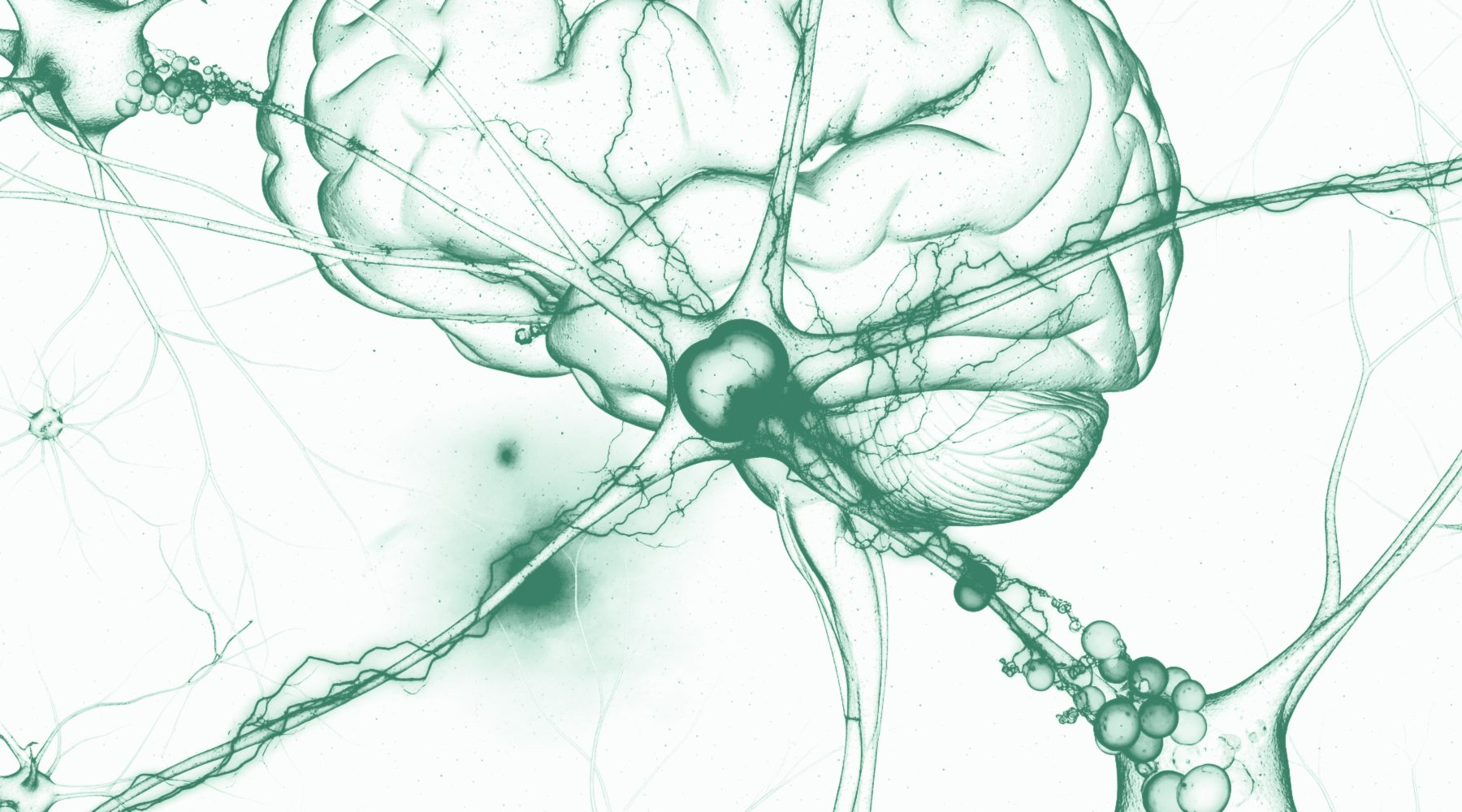
Pale linework of neuron structures, illustrating the detail the platform looks for in a session.
Fig. 01
Signal quality is assessed before anything is reported.

Our mission

Make the inner work visible, without overstating it.

Meditation is taught at scale, but the inner work is invisible. Practitioners cannot tell whether attention is actually stabilising, whether the body is regulating, or whether recovery between sessions is improving — and instructors have no objective read on a cohort beyond attendance and self-report.

DeepMindex makes that measurable, interpretation first: every reading is gated by signal quality, anchored to the practitioner’s own baseline and reported with its uncertainty. The aim is not a scoreboard. It is a clearer view of the work itself.

Read our philosophy

Our values

Five commitments that decide what we build.

And, just as deliberately, what we leave out.

  1. 01

    Measurement before claims

    A number we cannot stand behind is worse than no number. Signal quality is assessed first, and segments that fail the threshold are excluded rather than averaged into a result.

  2. 02

    Your baseline, not the average

    Progress is measured against the practitioner’s own baseline. We do not compare one person’s session with another’s, or publish population norms as if they described an individual.

  3. 03

    Uncertainty stays visible

    Every reading carries how confident the platform is in it. A single figure with no range looks authoritative and tells you less than the honest version does.

  4. 04

    The practice comes first

    Meditation is not a scoreboard. DeepMindex reports on a session; it does not rank practitioners, award streaks or turn attention into a competition.

  5. 05

    Not a diagnostic instrument

    We report on attention, regulation and recovery during practice. We do not diagnose conditions, claim treatment effects or replace clinical assessment.

Read all six principles

The standard we hold

“Uncertainty is a feature.”

Say when something is not yet known, and never present a provisional reading as established fact.

01

Measured, not exuberant

A research-led platform. No hype, no miracle claims — plain language about what the signal supports.

02

Explain the method

The reader is a professional. Assume they will ask how we know, and answer before they do.

03

Respect the practice

Meditation is not a productivity hack. It is not a scoreboard, and it is not a competition.

Founding team

The people behind DeepMindex.

DeepMindex is built on Dr. Junling Gao’s research at the University of Hong Kong — more than a decade of EEG, ECG and MRI work on meditation, mindfulness and religious chanting.

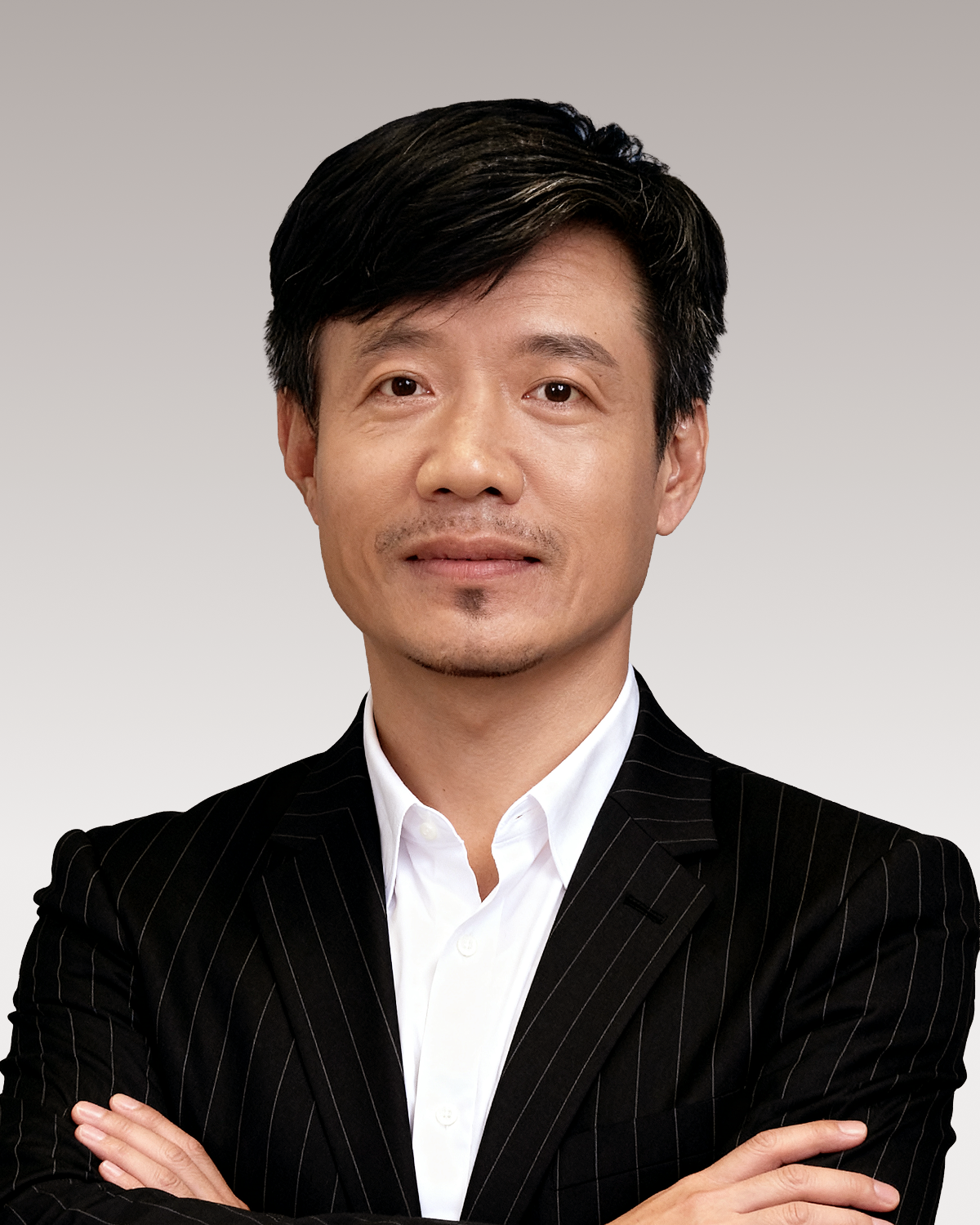
Portrait of Dr. Junling Gao.
01

Founder · Neuroscientist

Dr. Junling Gao

Dr. Junling Gao is a neuroscientist and the founder of DeepMindex. At the University of Hong Kong’s Buddhist Practices and Counselling Science Lab — formerly the Buddhism and Science Research Lab — Dr. Gao’s research spans more than a decade of EEG, ECG and MRI studies of meditation, mindfulness and religious chanting.

That work includes a rare deep-jhana dataset: repeated EEG recordings from an experienced monk who could sequentially enter the first through eighth jhanas, alongside twenty control participants. The lab is still preparing those findings for publication.

DeepMindex’s research base also includes three deep-jhana recordings. Used only within the applicable ownership, consent and data-use permissions, they inform candidate features for attention, regulation and recovery and the brain–body models that read EEG and PPG together. Dr. Gao’s published work on brain–heart entrainment and neurocardiological coupling underpins that modelling.

The platform exists to turn that research base into something practitioners and instructors can use — without presenting a candidate feature as a validated measure.

“A practitioner finishes a session with a feeling. We wanted to know whether that feeling could be checked.”

Further team profiles are added as each person confirms their involvement and approves their wording.

Research advisors

Independent expertise, held to the same standard.

Clinical and research advisors review how the platform’s measures are framed, validated and explained.

Profile pending

01

Clinical framing

How measures are described to clinical readers, and what they are explicitly not.

Profile pending

02

Independent validation

How reliability and generalisation are assessed outside the build team.

Profile pending

03

Plain explanation

How confidence and uncertainty are stated in the practitioner interface.

Advisory roster pending

Names will appear here once each person has confirmed their involvement and approved their wording.

Read the science

Keep reading

Two pages deeper.

Institutional pilots

Run a pilot with your cohort.

Fixed-term programmes with a defined participant group, so you can evaluate attention, regulation and recovery against your own protocol.