DMDeepMindex

Our team

The people behind the measurement.

DeepMindex is a small group built around one research programme at the University of Hong Kong. A neuroscientist sets the method; a researcher who both records meditation data and teaches the practice keeps the measurement connected to what it describes.

Based in
Hong Kong
Research base
Buddhist Practices and Counselling Science Lab, HKU
Disciplines
Neuroscience · contemplative practice · data

The method these profiles describe is set out in how the science works, and the papers behind it are on the publications page.

Who does what

Two people, one problem.

Each profile describes the work the person actually does and what it contributes to the platform — not a title dressed up as a capability.

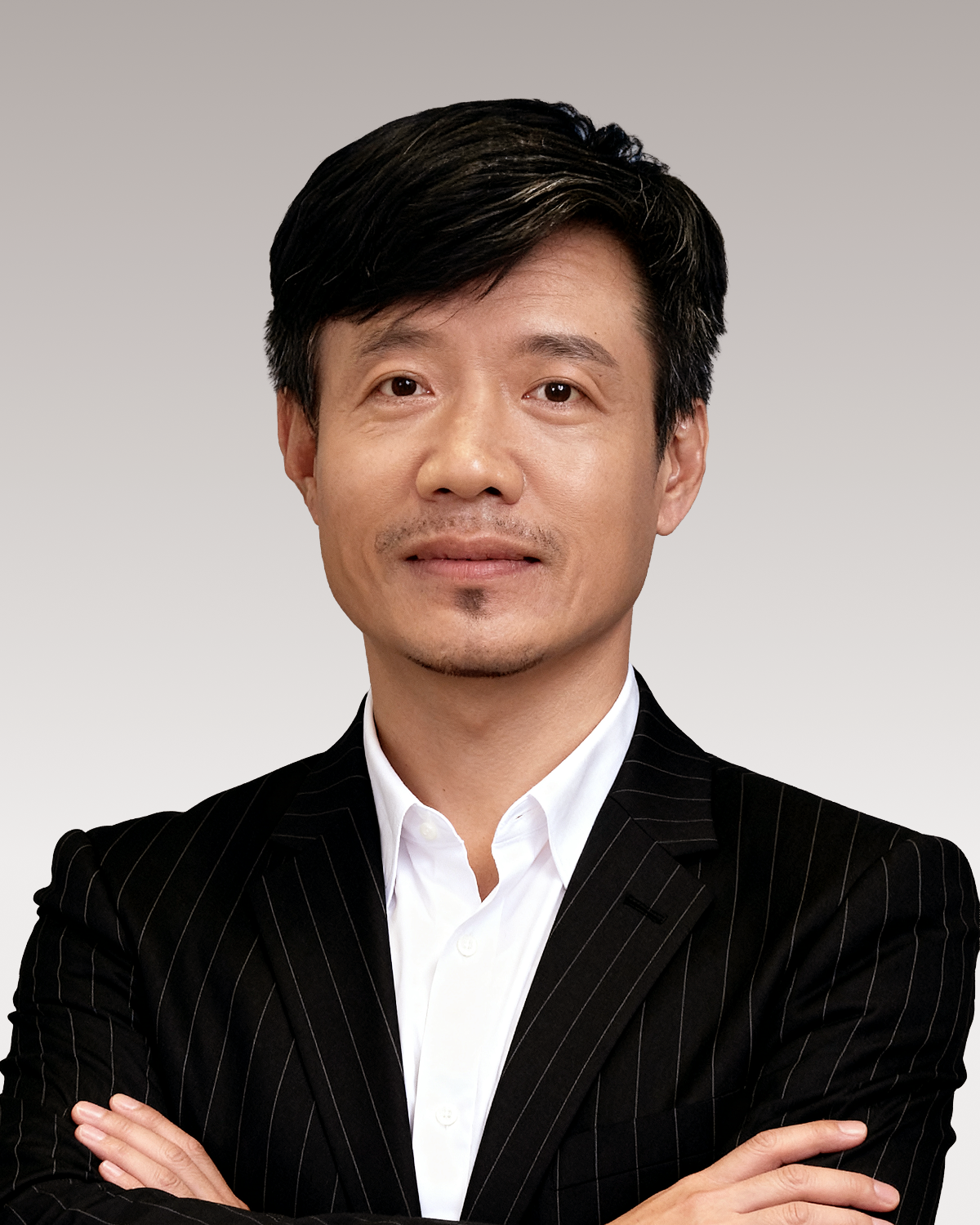
Portrait of Dr. Junling Gao.01

Founder · Neuroscientist

Dr. Junling Gao

The research base, and what the platform is allowed to claim

Dr. Junling Gao is a neuroscientist and the founder of DeepMindex. At the University of Hong Kong’s Buddhist Practices and Counselling Science Lab — formerly the Buddhism and Science Research Lab — the research spans more than a decade of EEG, ECG and MRI studies of meditation, mindfulness and religious chanting, including a rare deep-jhana dataset and published work on brain–heart entrainment.

Within DeepMindex that programme sets the method: which candidate features are examined, how neural and autonomic records are modelled together, and where a reading stops being defensible. A candidate feature stays provisional until it survives validation, and nothing reaches the platform as a measure before then.

Work relevant to DeepMindex

01Recording advanced concentration
The deep-jhana dataset holds repeated EEG recordings from an experienced monk who could sequentially enter the first through eighth jhanas, alongside twenty control participants. The lab is still preparing those findings for publication.
02Brain–body modelling
Published work on brain–heart entrainment and neurocardiological coupling underpins how the platform reads EEG and PPG together rather than as separate dashboards.
03Validation before claims
Standardised protocols across experience levels, with independent assessment of reliability and generalisation, decide what becomes a measure and what stays a candidate.

Training and credentials

  • Neuroscientist, Buddhist Practices and Counselling Science Lab, The University of Hong Kong
  • More than a decade of EEG, ECG and MRI research on meditation, mindfulness and religious chanting
  • Published research on brain–heart entrainment and neurocardiological coupling
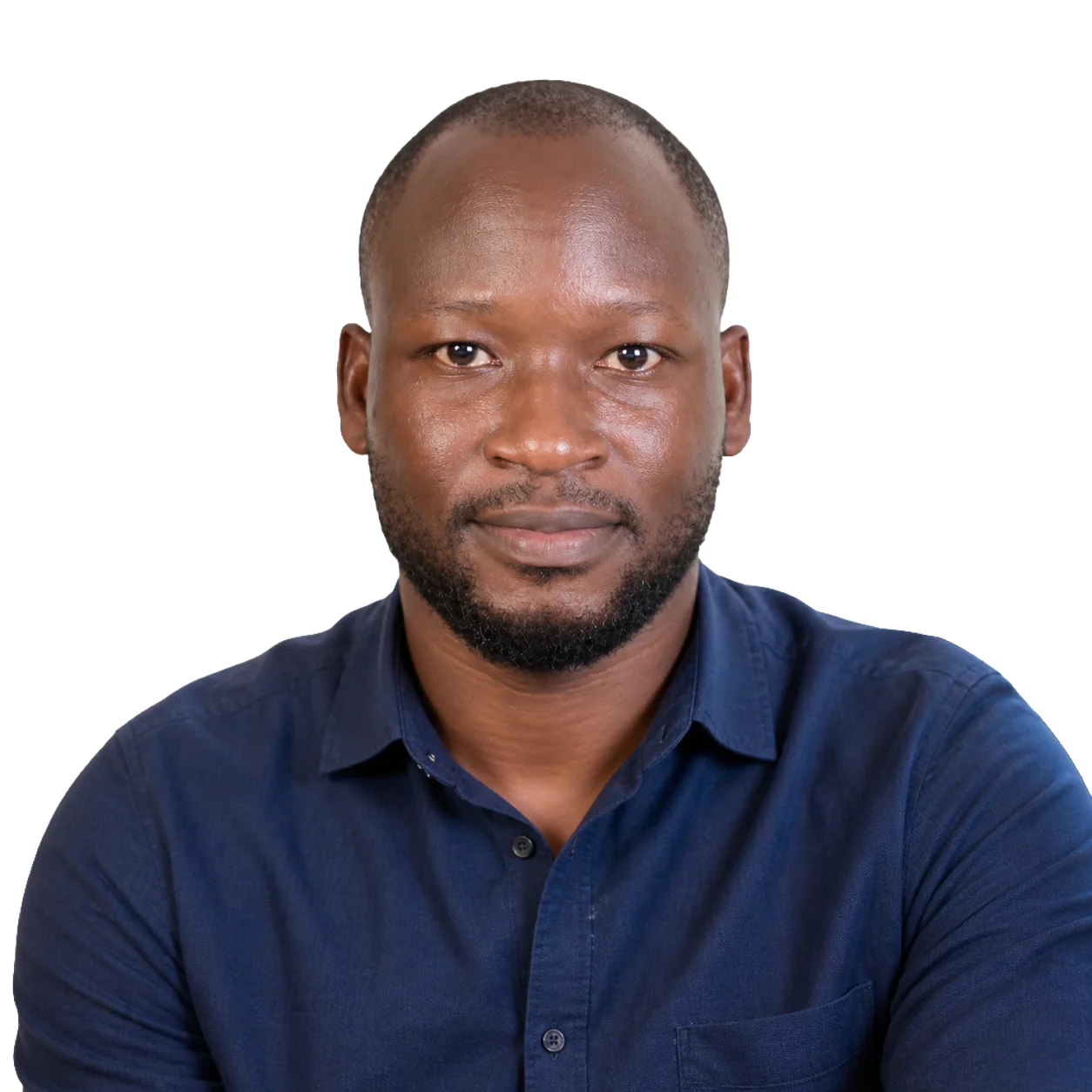
Portrait of Andrew Bakaki.02

Research collaborator · Meditation data

Andrew Bakaki

Wearable recording, and the practitioner’s side of the signal

Andrew Bakaki collects the meditation data the platform is built to interpret. At the University of Hong Kong’s Centre of Buddhist Studies he works with Dr. Junling Gao on experiments measuring the neurophysiological effects of meditation and chanting, administering protocols with consumer-grade wearable technology — multi-channel EEG headbands and smartwatches — and recording electrophysiological and autonomic responses in real time.

He also supports the lab’s brain–computer interface and neuroimaging work on attention regulation and neural synchrony during contemplative states, and is a co-author of its 2026 study on attentional experience, autonomic function and network dynamics during mindfulness training.

That research sits alongside his own teaching practice. He is a certified mindfulness meditation teacher, founded the Kampala Mindfulness Group in 2019, and holds a Master of Buddhist Counselling from HKU — so the states the numbers are meant to describe are ones he has also guided other people through.

Work relevant to DeepMindex

01Recording the contemplative signal
Administers EEG-headband, smartwatch and brain–computer interface protocols during meditation and chanting sessions. The recordings he collects are the kind the platform’s signal-quality rules and candidate features are developed against.
02Attention regulation and neural synchrony
Supports lab experiments that measure attention regulation and neural synchrony in contemplative states — the constructs behind the platform’s attention and regulation outputs.
03Neural and autonomic, read together
Co-author, with Dr. Gao and colleagues, of “Attentional Experience, Autonomic Function and Network Dynamics During the ISAAA Observational Stage of Mindfulness Training” (PsyArXiv preprint, October 2026, not yet peer-reviewed). The study pairs neural and autonomic records — the same pairing the brain–body model is built on.
04The practitioner’s side of the interface
Certified mindfulness teacher and founder of the Kampala Mindfulness Group (2019 – present), with graduate training in Buddhist counselling. That delivery experience informs how sessions, instructor material and the limits of a reading are explained.

Training and credentials

  • Certified Mindfulness Meditation Teacher — Awareness Training Institute, with Sounds True and the Greater Good Science Center, University of California, Berkeley
  • Master of Buddhist Counselling — The University of Hong Kong, 2024–2025
  • Certificate in Cognitive Psychology — HKU SPACE, 2026
  • BA in Buddhist Leadership — Sri Lanka International Buddhist Academy
  • Co-author — ISAAA observational-stage study, PsyArXiv preprint, 2026

How this roster grows

Profiles, not placeholders.

People appear on this page once their involvement is confirmed and they have approved their own wording. Advisors and collaborators are listed only where there is a named, standing role.

Where a role is still being defined, the page says nothing rather than filling the gap with a plausible-sounding title.

Get in touch

Research collaboration, a pilot cohort or a question about the method — the same two people read it.

Talk to the teamRead the research story